Exactly How Storms Can Affect Your Garage Door Motor and What to Do
A garage door electric motor is one of those pieces of equipment lots of people ignore until the day it stops doing its work. After that a storm rolls via, the wind comes up hard, the power flickers, and suddenly the garage door ends up being greater than an ease. It becomes part of the building envelope, component of the safety of the home, and in a location like the Gold Coast, part of storm readiness.
That matters because garage doors are commonly recognised as a weak point in severe climate. Queensland guidance has been clear for many years that garages are entitled to attention prior to storm period, especially where cyclones and extreme tornados are a real threat. A door that is not correctly rated for wind pressure, or does not have the ideal bracing, can stop working under anxiety. When that happens, the problem is not restricted to the door itself. Failing can spread damages to walls, ceilings, and roof covering cladding. If the door is the first weak point, the rest of the structure can promptly follow.
The electric motor becomes part of that image. It does not generally take the full wind tons, but it is tied to the door's motion, placement, and protection. Tornado conditions can reveal weaknesses that were currently there, and after the climate passes, the electric motor is often the piece homeowners see initially since the door will certainly not open, will not close properly, or appears stretched when it tries.
mobile garage door repairs near meWhy storm season is tough on garage doors
Strong wind is the evident hazard, however it is not the only one. Heavy rainfall can find its way right into gaps around the door and right into elements that were working completely the week previously. Flying particles can strike the door surface area or track area. Repetitive pressure adjustments during extreme weather can flex the door and area stress on its equipment. When the door moves out of square also a little, the opener has to function harder.
That is where the electric motor comes to be at risk. Garage door motors are developed to operate a door that is effectively stabilized and moving easily. They are not indicated to compensate for a door that is binding, racked, or obstructed. If a storm changes the door, interrupts the tracks, or damages seals and panels, the motor might still try to drive it. That is when you hear the indications: a louder hum, an unexpected delay, a jerky beginning, or the door turning around because something runs out line.
In functional terms, tornados create 2 broad problems. First, they can cause straight damage through wind or impact. Second, they can disclose concealed wear that had currently been integrating in the system. A house owner could believe the tornado "broke the electric motor," when in truth the electric motor was currently operating near to its limits and the storm merely exposed the issue.
The garage door electric motor is rarely the only part affected
It helps to think about the electric motor as one part of a larger system. A door can have a motor trouble, yet it can equally as conveniently have a door issue that the electric motor is responding to. That difference matters due to the fact that a lot of unneeded damage occurs when people keep trying to run a jeopardized door.
After serious weather condition, check the whole opening, not just the opener device. Look at the door alignment, the seals, the structure, and the noticeable equipment. Queensland and Brisbane guidance both motivate homeowners to inspect seals and door frameworks and maintain the home envelope before storm season. That recommendations is functional because voids and powerlessness are specifically where climate gets in.
If the door is puffy, curved, or sitting erratically in the opening, the motor may be dealing with a shedding fight. If a tornado has left particles in the track or damaged the panel surface, the opener might stress as it tries to lift or shut the door. If the securing system has actually been endangered, the problem may look mechanical however be partially a safety problem as well.
The most typical error is assuming the electric motor itself is the problem and compeling duplicated procedure. That can transform a manageable repair service right into a larger one. A door that ought to have been laid off for inspection can be pressed hard sufficient to damage the opener, the trolley, or the drive mechanism.
What storm damage can look like
Not every post-storm trouble is remarkable. In some cases the signs are refined initially, particularly if the tornado was quick or the door only took a gazing blow. Still, there are a couple of patterns that often tend to show up once more and again.
The door might stop partway and reverse. It may relocate unevenly, with one side dragging. The motor might run yet the door does not respond the method it usually does. You may see the door rattling more than normal, or the opener appearing stressed also when the door is just half open. In some cases, the problem is not the electric motor at all, yet a track, springtime, cable television, or panel issue produced by the storm.
In flood-prone or wind-driven rain conditions, moisture can likewise trigger problem around electric and control elements. Even when the opener system itself is mounted securely, tornado conditions can affect remotes, wall controls, and clever controls if the system has actually been subjected to water intrusion or unsteady power. It is one factor post-storm evaluation need to be gauged and cautious rather than rushed.
A great regulation from field experience is simple: if the door no longer acts naturally, treat it as a system problem up until tried and tested otherwise.
What to do right after a storm
The initially priority is not to evaluate the door repetitively. It is to examine whether the opening is safe to use. If the door looks visibly damaged, is leaning, or appears to have appeared of its normal track, do not keep cycling it. That can intensify the damage and develop a bigger repair work task than you began with.
For a fast, practical initial check, keep it straightforward and observational.
- Look for dents, flexes, or gaps in the door panels and frame.
- Check whether the seals still sit appropriately along the bottom and sides.
- Notice if the door hangs erratically or leaves daytime where it must not.
- Listen for grinding, dragging, or unusual strain when the opener is used.
- If the door appears unsteady, quit using it up until it has been inspected.
That brief time out can save money and time. A damaged garage door motor is discouraging, however it is much better to handle a delayed opener than to force a jeopardized door and damages the surrounding structure.
When emergency fixings make sense
There are scenarios where waiting is the incorrect phone call. If the door can not close correctly and the home is left exposed, emergency repairs come to be a matter of safety and security as long as comfort. Queensland safety style records also identify the value of protected, tamper-resistant garage door arrangements in appropriate applications. After a storm, that concern frequently ends up being prompt since a door that will not shut welcomes both weather and undesirable access.
Emergency repair services are most ideal when the door is stuck open, partially open, obstructed in a hazardous position, or noticeably unstable. They are also reasonable if the opener has fallen short and the door can not be securely secured by hand. In those situations, a professional can figure out whether the problem is with the motor, the door's equilibrium, the positioning, or the structure around the opening.
In storm healing, speed issues, yet so does restraint. A proper emergency situation repair service is not the like a hurried repair. The objective is to make the opening secure, safe and secure, and useful again without hiding an architectural concern that will certainly return at the following gust of wind.
Preventive maintenance that actually helps
Preventive upkeep for garage doors is one of the most basic methods to decrease storm-related troubles, yet it is typically delayed since the door seems to be working fine. That is specifically when maintenance pays off. A door that moves smoothly in calm climate is far less likely to overload its electric motor during serious weather.
The most valuable upkeep is not flashy. It is the boring job that maintains the whole system truthful. Seals require examination. Door structures require to remain audio. The door should be correctly ranked for wind stress where that is needed, and in cyclone-prone setups, compliance with the ideal standard and correct bracing is not optional in method, also if people only think about it when a tornado is near. Queensland preparedness guidance makes that point plainly. A non-compliant garage door can be a susceptability, not just an inconvenience.
Maintenance likewise has a timing element. Prior to tornado period, house owners should not wait for the very first climate alerting to discover a door is noisy, drifting out of positioning, or falling short to shut properly. That type of issue normally comes with indication. A motor that has actually been laboring for months will not suddenly become more powerful when the wind selects up.
A useful strategy is to deal with the garage door like the rest of the home envelope. If the seals are inadequate, the framework is worn out, or the door no more rests correctly, the motor is operating in an endangered environment. Repairing those concerns early decreases stress and anxiety on the opener and boosts the door's overall resilience.
Why replacement is occasionally the smarter choice
Not every storm-damaged door should be repaired. That is an unpleasant truth, but it is a sensible one. Queensland federal government material notes that replacing non-compliant garage doors can enhance cyclone resilience. If a door is old, repeatedly out of alignment, or constructed without the degree of wind resistance needed for the neighborhood environment, duplicated repair work might be an inadequate investment.
That does not imply every house owner needs to rush into replacement after a single storm. It suggests the choice ought to be based on the condition of the system all at once. If the electric motor has actually been changed, the door panels are still weak, and the frame or seals are compromised, covering one concern may only get short-term alleviation. A stronger door with correct wind rating and supporting might be the much better long-term answer.
There is additionally an architectural debate. When a garage door stops working, the damages can spread out beyond the opening itself. If the result is harm to walls, ceilings, or roofing system cladding, the expense of waiting can much surpass the cost of updating early. For home owners on the Gold Coast, where extreme climate is not theoretical, that trade-off should have serious attention.
How house owners can prepare before the next storm
Preparation does not require to be made complex, but it needs to be calculated. The most efficient actions are the ones taken prior to cautions are published and supplies are limited. Safe and secure outside items, assess the problem of the garage door, and make sure the opening is not already compromised. The state guidance for cyclone and serious tornado preparation is consistent on this factor: get the home all set before the weather turns.
For garage doors particularly, prep work needs to focus on feature and honesty. If the door has noticeable wear, if seals are failing, or if the opening has actually not been signed in a while, routine an inspection prior to tornado period gets serious. If the door becomes part of a bigger protection configuration, see to it the securing arrangement is sound and ideal for the application. If your door relies on an automatic opener, validate that it is running efficiently under typical conditions so you are not repairing under pressure.
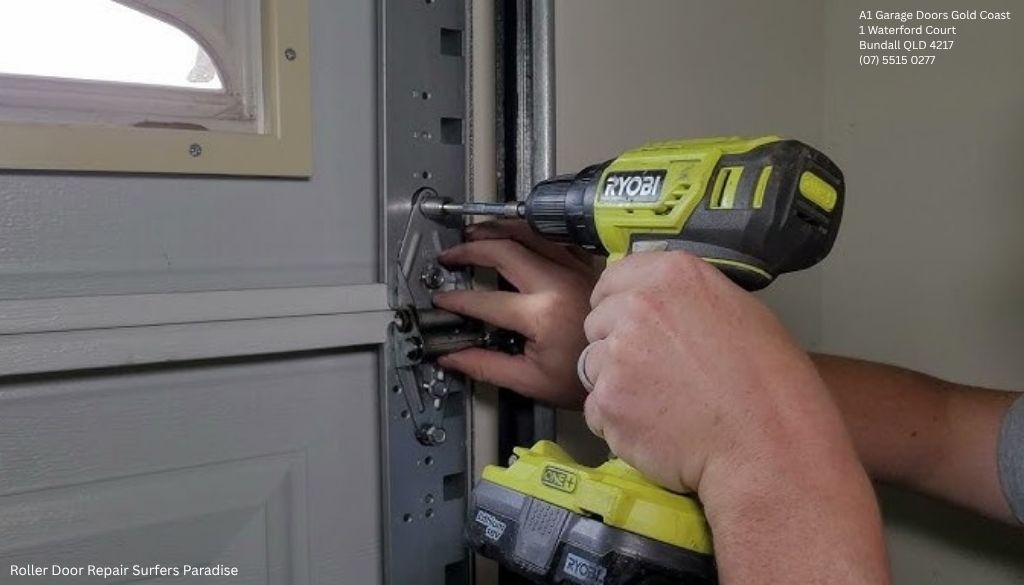
Homeowners sometimes ask whether they must find out just how to fix a garage door themselves. The truthful answer is that there is a difference between minor repair and maintenance job that influences equilibrium, stress, or structural stability. Cleansing, aesthetic evaluation, and basic housekeeping around the opening are affordable for lots of people. Yet if the door has actually changed, the motor is garage door installation battling, or the system no more acts naturally after a storm, that is a different category of job. The stakes are higher due to the fact that a garage door brings enough force and weight to create severe damages if handled incorrectly.
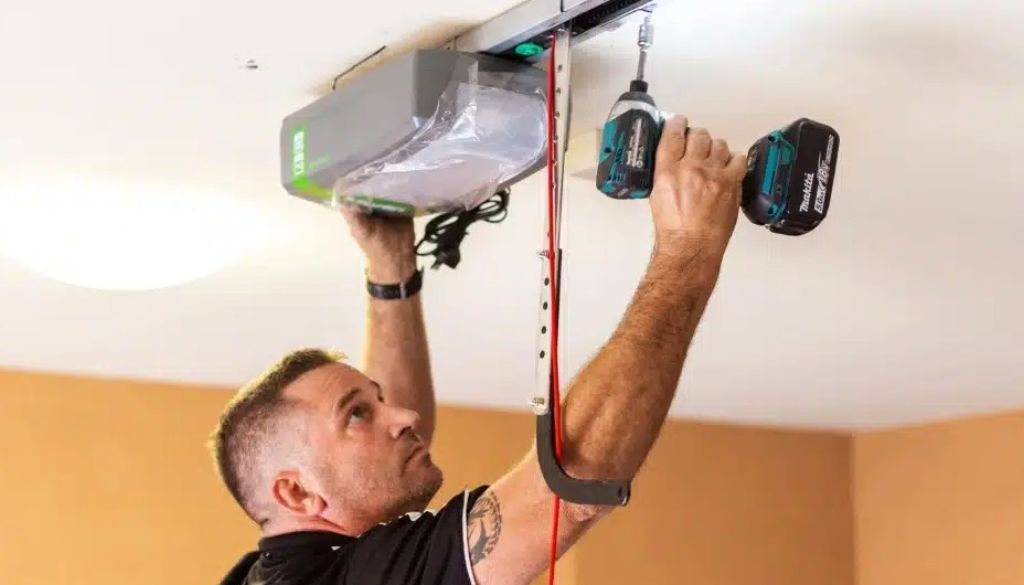
The duty of service for homes and businesses
The same storm logic relates to industrial homes, sometimes even more dramatically. Service premises require to consider preparedness prior to severe climate, and a garage or roller door that stops working can disrupt procedures in addition to security. Queensland business readiness support emphasises preparing in advance for tornado season, that makes sense since repairs are more challenging to manage when every distributor is active and weather condition windows are short.
For both homes and organizations, service preparation need to consist of the opener, the door hardware, and the surrounding framework. If a residential or commercial property depends upon a garage door for gain access to, storage, or protection, then treating it as a seasonal check item is not overkill. It is good management.
A sensible method to think of tornado damage
Not every storm-related garage door issue is remarkable, and not every failing is permanent. Some electric motors recuperate as soon as the power stabilises and the door course is gotten rid of. Some doors just need placement and seal job. Others need substitute since the underlying layout was never ever well fit to extreme climate. The hard component is evaluating which classification you are in.
That judgment is less complicated when you watch the system as a whole. A garage door motor does not stop working alone extremely often. It is typically responding to anxiety somewhere else, whether that stress and anxiety originated from wind, rainfall, effect, poor upkeep, or a door that was never appropriately fit to the regional conditions. The Gold Coastline and larger Queensland context makes that especially crucial because storm readiness is not an abstract concept right here. It becomes part of preserving the home.
If the door is safe and secure, effectively rated, and well preserved, the electric motor has a better opportunity of doing its work after a storm. If the door is weak, misaligned, or neglected, the opener will frequently be the first component to reveal strain.
A garage door that shuts efficiently prior to storm period, seals correctly against the structure, and has actually been checked for compliance and condition is much less most likely to develop into an emergency situation repair work later on. That is the actual benefit of preventive maintenance for garage doors. It does not simply keep the door silent or hassle-free. It helps protect the opening, the motor, and the framework around it when serious weather arrives.